You’ve seen the photos: a king-size bed under a canvas ceiling, fairy lights, a fire pit, maybe a wood-fired hot tub. It looks like the trip you’ve been waiting for. But then comes the question that stops most people mid-scroll: what does a night like that actually cost? Is glamping cost closer to $80 or closer to $800? The honest answer is that it can be either, and the price swings are wider than most first-timers expect.
This guide breaks down what you’ll typically pay per night, from simple tents and cabins to ultra-luxury domes. We’ll look at what drives the price up or down, how the season changes rates, and how different accommodation types compare. You’ll also find practical tips for booking at a better rate and a simple way to budget your first glamping trip, so you can pick a site that matches your wallet instead of guessing.
What Does Glamping Cost on Average Per Night?
Glamping prices cover a surprisingly wide range, and the fastest way to make sense of them is to think in tiers. At the entry level, basic tents and cabins typically cost $100-$200 per night. These are the sites where you get a real bed, decent furnishings and shared or simple bathroom facilities, but not much beyond that. For a first glamping trip, this tier is often the sweet spot: you experience the canvas-and-campfire side of glamping without committing to a premium price.
Move up a tier and mid-range safari tents and yurts usually fall between $200-$350 per night. This is where glamping starts to feel genuinely hotel-like, with larger layouts, better furniture and often private or semi-private bathroom access. Many of the most photographed glamping sites sit in this bracket.
The premium tiers
Luxury domes and lodge-style sites commonly charge $350-$600 per night. Expect hard-sided structures, en-suite bathrooms, quality bedding and design details that wouldn’t look out of place in a boutique hotel.
At the very top, ultra-luxury glamping resorts can exceed $600-$1,000 per night. These properties compete with high-end resorts on service and amenities, offering things like private plunge pools, chef-prepared meals and dedicated staff. The good news is that every tier has plenty of options, so knowing your budget upfront narrows the field quickly.
What Drives Glamping Cost Up or Down?
Two sites can sit ten minutes apart and charge wildly different rates, and the difference almost always comes down to a handful of factors. The biggest one is structure type. A simple canvas tent costs far less to build, heat and maintain than a hard-sided dome with a private bathroom, and nightly rates reflect that. A bell tent on a farm field and a glass-fronted dome overlooking a valley are technically both “glamping,” but they belong to different price worlds.
Amenities are the second big driver. En-suite bathrooms, hot tubs and full kitchens can add $50-$150 per night to the base rate. If a listing’s price seems high, check what’s included before comparing it to a cheaper site that sends you to a shared washblock.
Location and service model matter too. Remote or scenic spots such as coastlines and national park gateways command premium pricing simply because of the view and the demand. And all-inclusive sites with meals and activities price higher than self-catering ones, since you’re paying for staff and food as well as the bed. For a sense of what the premium end looks like, this private sanctuary retreat with elegant accommodations shows how far the luxury tier goes.
- Private bathrooms: An en-suite toilet and shower is often the single largest price jump between two otherwise similar units, since it requires plumbing that a shared washblock doesn’t.
- Hot tubs and saunas: Wood-fired or electric hot tubs typically push a unit into the next pricing tier, and they’re also the first amenities to sell out in peak season.
- Meal plans: All-inclusive sites bundle breakfast, dinners or even picnic lunches into the rate, which looks expensive per night but can be competitive once you price out nearby restaurants.
- On-site activities: Guided hikes, kayak rentals and farm tours add to the rate, so factor in whether you’d pay for those experiences separately anyway.
How the Season Changes Glamping Cost
Timing changes glamping prices more than almost anything else except the structure itself. During peak season, which runs June through August in the Northern Hemisphere, rates typically run 20-40% above shoulder season prices. The same safari tent that costs $250 in May can easily top $300 or more in July, simply because summer weekends sell out and operators know it.
That’s why the shoulder months are where savvy glampers focus. May, September and early October often deliver similar weather at noticeably lower rates. Days are still long enough for evenings around the fire, campgrounds are quieter, and you’re not fighting families on school holidays for the best units. If your dates are flexible, shifting a trip by a few weeks is the easiest saving you’ll find.
What happens in the off-season
Winter splits glamping sites into two camps. Some close entirely, especially seasonal tent operations that can’t handle cold or wet weather. Others, particularly heated domes and hard-sided cabins, stay open and often drop to discounted off-season rates. Cozying up in a heated dome with a wood stove while it snows outside can be one of the best value nights in glamping, as long as you check that heating, insulation and winter access roads are genuinely in place before booking.
Where You Sleep Matters: Comparing Glamping Accommodation Types
Not all glamping is the same, and the type of structure you sleep in has a bigger impact on price than almost anything else. A simple canvas bell tent and a hard-sided geodesic dome with a private bathroom can sit on the same property and still be worlds apart in cost. Knowing where each accommodation type falls on the price scale helps you match your budget to the experience you actually want.
Whatever tier you choose, glamping delivers something a regular campsite cannot: a real bed, thoughtful furnishing and a setting that standard hotel rooms rarely offer. The trade-offs come down to space, privacy and bathroom access. Here is how the main types typically compare:
- Safari tents are the classic choice, with canvas walls, proper beds and often a deck or veranda. Most fall in the mid-range bracket, and the larger family versions sleep four or more comfortably.
- Yurts and bell tents sit at the affordable end of the scale. Yurts offer surprisingly generous round floor space, while bell tents are smaller and usually share bathroom facilities with other guests.
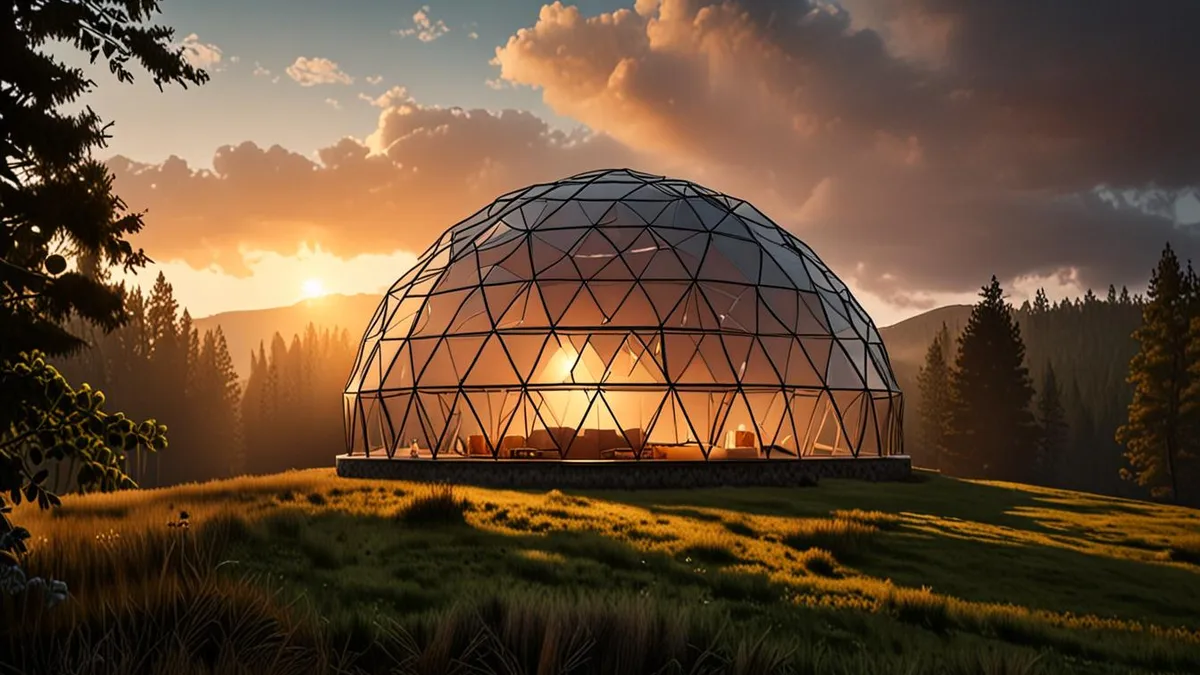
- Geodesic domes and treehouses occupy the premium tier, typically $350-$600 per night. Domes often feature panoramic windows and en-suite bathrooms, while treehouses trade views for height, seclusion and a serious wow factor.
- Estate-style glamping villas reach the $600+ luxury bracket, pairing infinity pools and designer suites with concierge-style service. These are closer to boutique resorts with a canvas twist than to camping of any kind.
If you are unsure which tier suits you, start mid-range. A safari tent gives you the full glamping atmosphere without the premium price of a dome, and you can always upgrade on a future trip once you know how much time you will actually spend inside the accommodation.
How to Book Glamping at a Better Rate
Glamping prices are not fixed, and the same tent on the same site can vary noticeably depending on when and how you book. A little planning goes a long way, especially in summer when the most desirable units disappear first. Before you commit to a stay, it pays to understand how operators actually price their inventory, because the advertised nightly rate is rarely the full story. These steps will help you pay less for the same stay:
- Book 2-3 months ahead for summer weekends. The best units, meaning the ones with the finest views, the most privacy or the private bathrooms, sell out first. Early booking also gives you the widest choice instead of whatever is left.
- Shift your stay to weekdays. Sunday-Thursday nights are often 15-30% cheaper than Fridays and Saturdays. If your schedule allows a Monday-to-Wednesday escape, you can frequently afford a higher-tier unit for the same money.
- Compare the total price, not just the nightly rate. Cleaning fees, service charges and minimum-stay requirements can change the math significantly. A mid-priced tent with a two-night minimum and a hefty cleaning fee may cost more overall than a slightly pricier option with none.
- Watch for early-season openings and late-season deals. Sites often discount remaining inventory at the start and end of the season to fill the calendar. Signing up for a site’s newsletter or following it on social media is the easiest way to catch these windows.
One final tip: if a site shows your preferred dates as sold out, message the operator directly. Cancellations happen more often than you might expect, and smaller sites will sometimes fit you in midweek or suggest an alternative unit at a better rate than anything listed online. A short, polite email costs nothing and has saved more than one summer trip.
Budgeting Your First Glamping Trip
Your first glamping trip is easier to budget for when you break it into two parts: the nightly rate and everything on top of it. Start with a realistic per-night figure based on the comfort level you want, using the price ranges covered earlier in this guide as your benchmark. A simple tent or cabin, a mid-range safari tent, or a luxury dome each sit in a very different bracket, so decide which tier actually fits your trip before you start browsing.
Look Beyond the Nightly Rate
The nightly rate rarely tells the whole story. Many sites are self-catering, so factor in meals, whether you plan to cook or eat at nearby restaurants. Add activities such as guided hikes, kayak rentals or spa treatments, plus the cost of getting there, since remote locations can mean a long drive or even a boat transfer. When you compare two sites, tally the full trip cost for each rather than the sticker nightly rate, because a cheaper tent far from town can end up costing more once food and travel are included.
Decide What You Can Live Without
Amenities are where budgets quietly balloon. Private bathrooms and hot tubs drive the biggest price jumps, often adding a meaningful amount per night over a unit with shared facilities. Before you book, list your true non-negotiables. If a proper bed and a wood stove matter more than an en-suite bathroom, you can drop a tier and save substantially. If a shared bathroom would genuinely ruin the trip for you, prioritize it and cut elsewhere, such as shortening the stay by a night. Knowing your deal-breakers in advance keeps the booking process simple and the final bill predictable.
The Bottom Line on Glamping Prices
So, does a night under canvas cost $80 or $800? It genuinely can be either, but most glamping sits in a predictable band. Simple tents and cabins typically run $100-$200 per night, mid-range safari tents and yurts usually cost $200-$350, luxury domes often range $350-$600, and ultra-luxury resorts can exceed $600-$1,000 per night.
The price differences between sites usually come down to three things: the season you travel, the type of structure you sleep in, and the amenities attached to it. You also have real control over what you pay. Booking 2-3 months ahead secures the best availability for summer weekends, and choosing weekday nights, which are often 15-30% cheaper than Fridays and Saturdays, keeps the nightly rate down even further.
If you have been putting off your first glamping trip because the pricing felt like a mystery, it is far more manageable than it first appears. Have you tried glamping yet, or do you have a favorite site to share? Leave a comment below or pass this article along to a friend who is planning a trip.