Choosing between glamping vs camping is a common dilemma: a tent trip sounds cheap and adventurous, but a ready-made safari tent with a real bed sounds far more appealing after a long drive. The trouble is, most travelers can’t tell which option actually matches their budget, their comfort expectations and how much effort they’re willing to put in once they arrive.
This guide breaks the decision down clearly. We’ll compare the two side by side, look at nightly rates and hidden gear costs, and describe what you really get at night. Then we’ll walk through the day-to-day realities of meals, weather and setup, explain when and how far ahead to book each type of stay, and finish with a simple way to decide which one fits your specific trip.
Glamping vs Camping: The Core Differences at a Glance
At its core, traditional camping means you bring everything yourself: the tent, the sleeping bags, the pads, the stove, the cooler and the lantern. You pitch your shelter on arrival, arrange your sleeping setup and figure out your cooking station before you can relax. Glamping flips that equation. You arrive to a pre-built structure — a safari tent, a geodesic dome or a small cabin — with a real bed, furnishings and lighting already in place.
Who each style suits
Camping suits self-sufficient travelers who enjoy the hands-on side of the outdoors and don’t mind hauling gear. Glamping suits anyone who wants fresh air and starry nights without the packing list, the setup or the sleeping bag.
Same outdoors, different preparation
Both options keep you outside, close to trails, lakes and campfires. But the level of preparation and the comfort you get differ sharply. With camping, your experience depends on your skills and equipment; with glamping, most of the work has been done before you ever arrive. Knowing which trade-off you prefer is the first step to choosing well.
Cost Breakdown: Nightly Rates and Hidden Expenses
The nightly rate gap is the first thing most people notice when comparing these two styles of outdoor stay. A basic campsite typically runs $20-$60 per night, while glamping units generally range from $120-$400 per night depending on the tent type and location. That difference looks dramatic at first glance, but it only tells part of the story, because camping carries a one-time starter cost of roughly $300-$600 for a tent, sleeping bags, pads and a basic stove.
Glamping prices usually bundle the essentials — bedding, lighting and sometimes meals or a BBQ setup — so there are fewer add-on costs to track once you arrive. For a 3-night trip, glamping can end up costing 3-6 times more than camping once your gear is already owned and sitting in the garage. On your very first trip, though, the gap narrows considerably, because the gear purchase lands entirely on the camping side of the ledger and can exceed the cost of a couple of nights in a safari tent.
- Firewood and ice: campers often buy these at the camp store each day, and small purchases add up over a multi-night stay.
- Replacement gear: a broken tent pole or a leaky air pad can turn into an unexpected mid-trip expense.
- Cleaning or damage fees: some glamping operators charge these separately, so read the listing carefully before you book.
- Meals out: glamping sites with on-site dining can tempt you away from cooking, nudging the food budget upward.
Comfort: What You Actually Get at Night
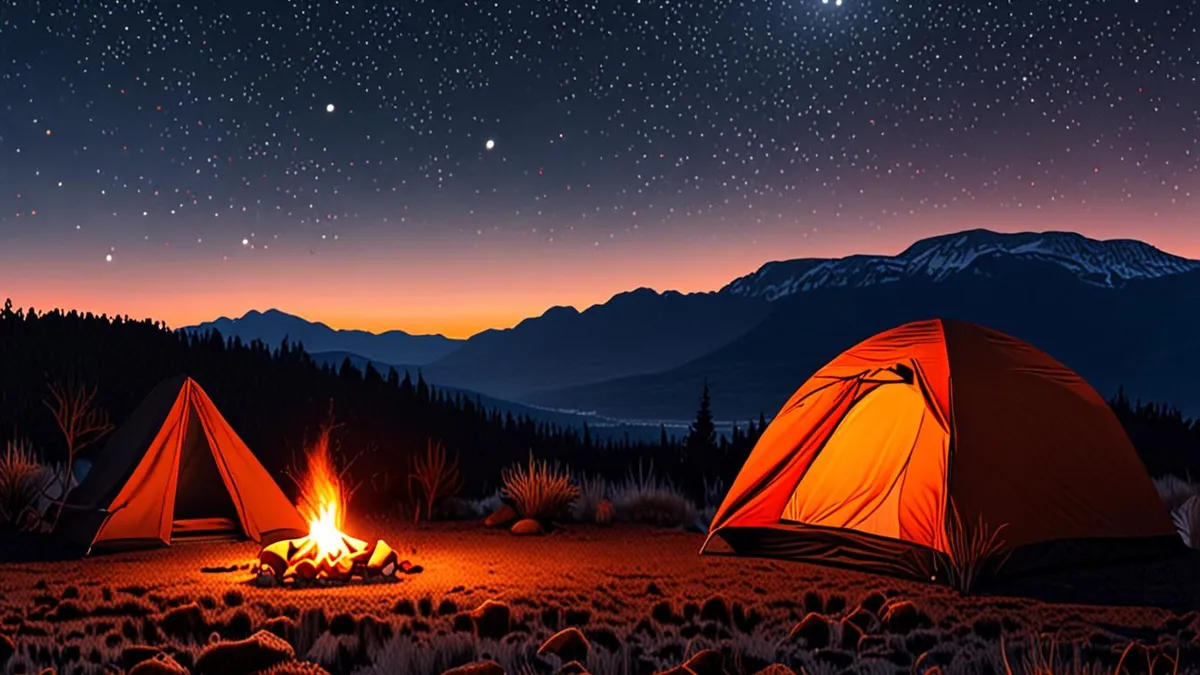
Nighttime is where the two options feel most different. Glamping typically includes a real bed with linens, plus heating or fans and electric lighting, so you sleep at a comfortable temperature and read in bed like you would at home. Camping means a sleeping bag on a pad, a headlamp for finding things in the dark, and temperature swings that follow the weather — warm afternoons can turn into chilly nights.
Bathrooms and showers
Facilities matter more than most first-timers expect. Many glamping sites add private bathrooms attached to the unit, or at least shared hot showers a short walk away. Campgrounds often offer only communal restrooms and shower blocks, which means a nighttime trip can involve shoes, a flashlight and a walk across the site.
How many people fit
Space works differently too. Glamping units usually sleep 2-4 guests, so larger families may need to book two units. Family campsites often accommodate 4-6 people in one pitch, which can make traditional camping the roomier and cheaper choice for bigger groups. Check the exact capacity of any unit or campsite before booking, since layouts vary widely between operators and campgrounds.
What to Expect Day to Day: Effort, Meals and Weather
The daily rhythm of a camping trip revolves around hands-on work. You pitch the tent when you arrive, take it down when you leave, and in between you build fires, boil water and cook every meal on a stove or grill you carried in yourself. Even simple tasks like making coffee or washing dishes take longer, since everything happens with basic equipment and whatever water source is available.
Meals and setup
Glamping removes almost all of that labor. You arrive to a structure that is already standing, with the bed made and lights working. Many units include a kitchenette with a small fridge and stove, a BBQ on the deck, or even on-site dining, so dinner can be as easy as grilling or walking to a restaurant. The trade-off is that you cook, eat and relax in the same fixed spot for your whole stay.
Weather is where the difference becomes most obvious. A solid rainstorm tests camping hard: gear gets wet, ground turns to mud, and everything from firewood to spare socks needs protecting. Glamping structures stay sealed and dry, so a downpour becomes something you watch from under a blanket instead of a problem to solve.
Camping does offer one real advantage here: flexibility. If you do not like your site, the weather shifts, or you decide to move to a lake or trailhead, you can pack up and go. Glamping ties you to one pre-booked unit, so your plans stay anchored to that location.
When and How to Book Each Type of Stay
Booking windows matter more for these trips than most travelers expect, because the best sites and the most popular glamping units disappear early in the season. A family that waits until spring to plan a July trip often finds the waterfront campsites gone and the remaining glamping units priced at the top of their range. The good news is that the timing rules are simple, and once you know them, securing the right stay becomes a matter of setting a reminder rather than fighting last-minute scrambles. The steps below walk you through how to time each type of stay, from locking in dates to reading the fine print before you pay.
- Identify your dates first. Peak season runs roughly June through August in most northern destinations, and availability tightens fastest during those months. If your dates fall on a summer weekend, treat booking as urgent rather than optional.
- Reserve glamping units 2-3 months ahead for summer weekends. These are fixed structures with limited inventory — a property may only have a handful of tents or domes — so popular units go quickly once summer dates open.
- Book campsites typically 1-2 months ahead. Campgrounds usually have more sites than a glamping property has units, so the window is shorter, though waterfront or holiday-weekend spots still fill early.
- Consider the shoulder months. May and September often bring lower glamping rates and quieter campgrounds, with the same scenery and cooler, more comfortable nights for sleeping.
- Read the cancellation terms before paying. Glamping deposits are usually larger than campsite fees, so a change of plans can cost significantly more. Confirm how far in advance you can cancel and what portion is refundable.
Whichever option you choose, set a calendar reminder for the booking window rather than waiting until the trip feels close. Put it in your phone the moment you settle on travel dates, and include a note about the cancellation deadline so you can adjust plans without losing money. If you are traveling with a group, agree on dates before anyone books, because a single holdout can force an expensive change later. A few minutes of planning ahead of time protects both your dates and your deposit, and it often means the difference between the site you wanted and whatever was left.
Which One Fits Your Trip
The right choice comes down to what you want from the trip. If budget is the priority and you genuinely enjoy hands-on setup, cooking over a fire and the satisfaction of running your own camp, traditional camping delivers more trip per dollar. If you want nature with a real bed and minimal packing, glamping gets you outdoors without the gear haul or the learning curve.
Experience level and trip length shift the math as well. A starter camping kit requires a meaningful upfront investment, so a single short outing rarely justifies buying everything new. Frequent outdoors travelers, on the other hand, spread that cost across many trips and come out ahead over time. If you already own the essentials, the balance tips even further toward camping, since your only ongoing costs are site fees and food.
- First-timers: A ready-made glamping setup lets you test whether you enjoy sleeping outdoors at all, without buying equipment you might never use again.
- Short weekend trips: With only one or two nights, the hours spent pitching, cooking and packing a campsite eat into limited time, while a glamping unit is ready the moment you arrive.
- Longer trips: A week or more outdoors rewards campers, since the nightly savings compound and self-catering keeps food costs low compared with dining out near a glamping property.
- Regular outdoors travelers: If you camp several times a year, your gear pays for itself over the seasons, and your skills make each successive trip easier and more rewarding.
Be honest about how much effort you want to spend. Camping suits travelers who see the work as part of the experience; glamping suits those who see it as an obstacle between them and the view.
Group size matters too. Glamping units usually sleep 2-4 guests, so larger families or friend groups may need to book multiple units, which multiplies the nightly rate quickly. A single family campsite often accommodates 4-6 people under one booking, making it the more practical option for bigger parties traveling together.
The Bottom Line
So which one wins? If your budget is the deciding factor, traditional camping is hard to beat: $20-$60 per night plus a one-time gear kit of roughly $300-$600 that pays for itself over multiple trips. If comfort is what you’re after, glamping’s $120-$400 per night buys you a real bed, weather protection and zero setup, so you can spend your energy on the outdoors instead of pitching a tent in the rain.
The honest answer is that neither is universally better. Camping rewards travelers who enjoy the hands-on side of outdoor trips and want maximum flexibility. Glamping suits first-timers, short weekends and anyone who wants nature without the gear haul. Match the option to your budget, your comfort expectations and how much effort you actually want to spend, and book accordingly — 2-3 months out for glamping, 1-2 months for campsites in peak season. Have a preference? Tell us in the comments or share this article with a friend who’s on the fence.