Choosing between a mountain lodge vs lakeside lodge is one of those travel decisions that shapes your entire trip. Some travelers crave crisp alpine air, dramatic ridgelines and the satisfying tiredness that comes after a day on the trails. Others dream of calm lakeside mornings, coffee on a deck and slow afternoons spent near the water. Both settings deliver memorable stays, but they suit very different travel styles.
This guide breaks the choice down into clear, practical parts. We start with the core differences between the two settings, then look at the best seasons for each. From there, you will find a comparison of activities, advice on how to book and what to expect timing-wise, a look at what each setting costs, and guidance on which type of traveler should pick which lodge. By the end, you should know exactly which setting matches the trip you want to take.
Mountain Lodge vs Lakeside Lodge: The Core Differences
The fundamental trade-off in the mountain lodge vs lakeside lodge decision comes down to elevation. Mountain lodges sit high, and that altitude is exactly what gives them their drama. The air is thinner, temperatures swing more sharply between day and night, and the views stretch across panoramic ridgelines that change character by the hour. You wake to frost on the windows in one season and wildflower meadows in another.
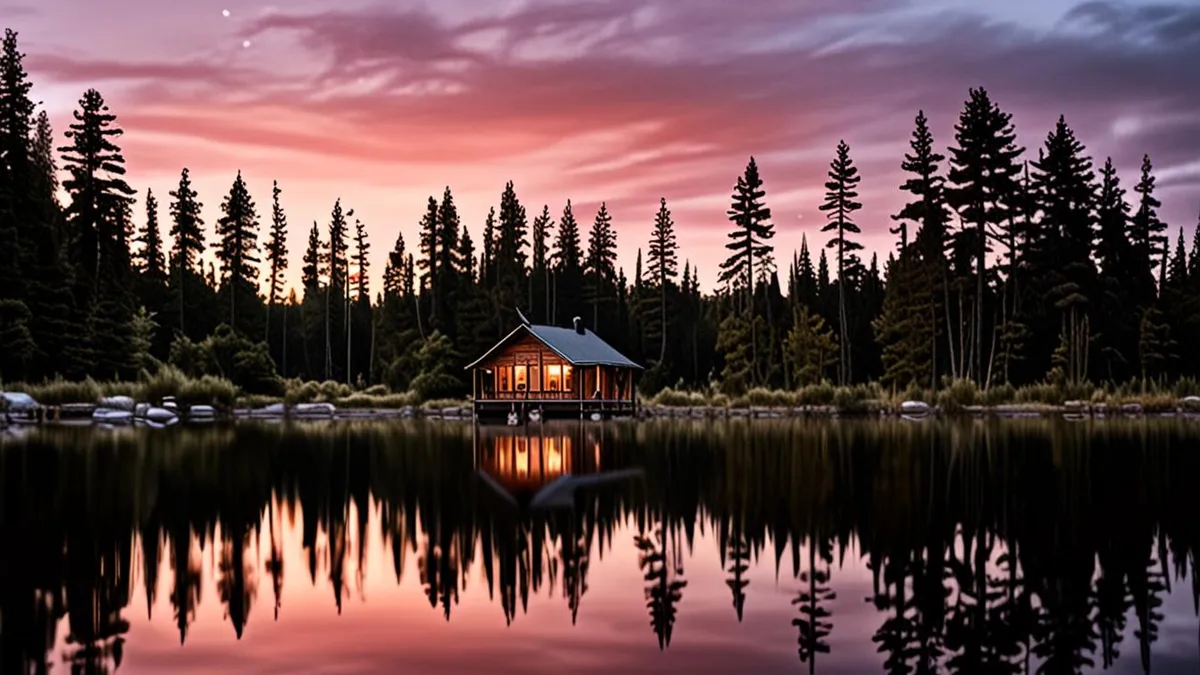
Lakeside lodges work differently. At low altitude, the air feels stable and easy to breathe, and the water itself becomes the centerpiece of your stay. Evenings bring softer light as the sun drops toward the shoreline, and the lake often holds warmth well past sunset, keeping nights milder than you would find on a mountainside.
How altitude affects your first days
One detail travelers often overlook: sleeping above roughly 1,500 m can affect your sleep and energy levels on the first night or two. Light-headedness, restless sleep and unusual fatigue are common and usually pass quickly. If you have a demanding itinerary planned, build in an easy first day, and consider whether your body handles altitude well before committing to a high lodge for a full week.
Best Seasons for Each Setting
Timing matters enormously in this decision, because each setting has its own rhythm of high and low demand. Mountain lodges hit their peak twice: December through March draws snow sports travelers, while June through September fills the trails with hikers. Lakeside lodges have a single concentrated high season from June through August, when warm weather makes the water the main attraction. Knowing these patterns before you book helps you decide whether you want the energy of peak season or the calm of the quieter weeks on either side of it.
Shoulder seasons are where savvy travelers find value. In both settings, peak-season lodge rates typically run 40–60% above shoulder-season prices, so traveling just outside the busiest weeks can make a real difference to your budget. The atmosphere changes too, and often for the better. A few things worth knowing about the quieter months:
- At lakeside lodges, May and September bring quieter shores, easier parking near the water and restaurant tables you can actually book on short notice.
- In mountain regions, early June and late September often mean open trails without summer crowds, though some scenic lifts and high-altitude facilities may run reduced schedules.
- Shoulder-season weather is less predictable in both settings, so pack layers and check trail or water conditions before finalizing daily plans.
If your dates are flexible, shifting your trip by even a couple of weeks can change both the price and the pace of your stay. Ask the lodge directly about what is open during your target weeks, since services can vary from one month to the next. A short email before booking usually settles whether the shoulder season suits the trip you have in mind.
Activities: Trails and Peaks vs Water and Shore
The activities on offer are the clearest dividing line between the two settings. Mountain stays center on hiking, skiing and scenic lifts, with daily plans that tend to be structured: start early, pick a trail or slope, and work around lift schedules and weather windows. That structure is part of the charm for many travelers, since a well-planned alpine day rewards you with big views and a real sense of progress. Keep in mind that alpine trails above 2,000 m are generally snow-free only from late June to early October, so high routes need careful seasonal planning, and it pays to check trail conditions before you commit to a route.
Lakeside stays move at a different pace. Swimming, paddling and boat trips form the core of the days, and the water is usually comfortable for swimming in July and August. There is less to schedule and more room to improvise, which is precisely the appeal for many travelers. Mornings can start with coffee on the shore rather than a lift queue, and nobody needs to be anywhere by a set hour.
A quick way to think about how each setting shapes your days:
- Mountain itineraries often revolve around cable cars, marked trail networks and start times, so a little daily planning pays off with access to the best terrain.
- Lakeside days flex easily: rent a kayak after breakfast, swim when the sun is highest, or take a boat trip only if the mood strikes.
- Weather works differently too, as mountain plans can be disrupted by fog or storms at altitude, while lake activities are more forgiving of a slow start.
In short, choose mountains for structured, activity-driven itineraries and lakes for slow, flexible days. Neither approach is better on its own; the right pick depends on how much structure you want your vacation to have.
How to Book: Timing and Rates
Timing your booking matters as much as picking the right setting. Lodge rooms in scenic spots are limited, and the best-value ones go first. A simple booking rhythm keeps you ahead of the rush and protects both your dates and your budget. The good news is that the rules are easy to remember once you know which setting you are aiming for, and they apply whether you are planning a snow trip or a summer week by the water.
- Book mountain lodges 3–6 months ahead for winter dates. Ski-season weekends fill early, especially lodges with slope access or ski storage, so reserving well in advance gives you the widest choice of room types and often the better rates before peak-season premiums push prices up.
- Reserve mountain lodges 2–4 months ahead for summer. Hiking season demand is strong but slightly softer than winter, so a shorter window usually works if you are flexible on room category or willing to take a room without a view.
- Reserve lakeside lodges 2–4 months ahead. This applies especially to July–August weekends, when waterfront rooms and family suites disappear fastest and late bookers are left with the least desirable options at the least desirable prices.
- Favor midweek stays in either setting. Shifting your dates from Saturday–Sunday to Tuesday–Thursday often cuts a noticeable slice off weekend rates, and you get quieter trails or calmer shores as a bonus.
- Confirm cancellation terms before paying. Flexible rates cost a little more but let you adjust if weather, work or travel plans change, which matters more in mountain settings where conditions can shift quickly.
One final habit worth building: set a calendar reminder for your booking window rather than deciding on the spot. A quick check a few days apart often reveals rate drops or newly released rooms as other travelers adjust their plans. If your dates are firm and your setting is clear, booking early is usually the cheaper path in both mountain and lakeside towns, and it saves you the stress of settling for whatever is left.
Budget: What Each Setting Costs
The nightly rate is only part of the bill. Both settings carry seasonal price swings, and each adds its own activity costs once you arrive. Planning for the full picture keeps your budget honest and your trip stress-free, so build a rough total before you compare room rates.
Start with the seasons themselves. Peak dates in both settings push rates well above what the same room costs in quieter weeks, so shifting your trip by a few weeks can be the single biggest saving you make. Shoulder months also mean shorter waits for lifts, boats and restaurant tables, which stretches your time as well as your money.
- Mountain extras: lifts and gear. Ski passes, lift tickets for scenic rides and rental equipment add up quickly over a week, so factor them in before comparing room rates between settings.
- Mountain extras: guided hikes. A local guide for high trails or glacier routes costs extra but adds safety and local knowledge on terrain you may not know.
- Lakeside extras: boats and paddling. Kayak, paddleboard and boat rentals are the main add-ons, and they are often cheaper than alpine gear, especially if you bring your own life jackets.
- Lakeside extras: water sports lessons. A session or two of sailing or waterski instruction costs less than a full ski-school week, which helps family budgets stretch further.
Ask each lodge what is bundled into the rate, too. Some include gear storage, shuttle rides to trailheads or docks, or breakfast that saves a daily line item. If you want a sense of how far a waterfront budget can go, browse a premium waterfront pavilion offering grand comfort and compare what is included in the rate. Then weigh that against lift passes and gear rental on the mountain side. The right answer is the one where the extras fit your style, not just your wallet.
Who Should Pick Which Lodge Setting
The best setting depends less on the view and more on how you like your days to run. Some travelers want a full schedule and a challenge; others want slow mornings and an easy evening. Match the lodge to your travel style and both settings deliver.
Pick a mountain lodge if snow sports, high trails and dramatic scenery are the point of your trip. The rhythm is structured: early starts, planned routes and earned views. Keep in mind that the higher routes only shed their snow cover for a short stretch between late June and early October, so your travel dates will shape which routes are realistic.
Pick a lakeside lodge if swimming, paddle days and gentle evening routines appeal more. Days flex around the weather, swims fill the afternoons and dinners drift late. The water is usually at its most inviting in July and August, which makes that stretch the sweet spot for water-focused families.
- Families with young children: lakeside logistics are often simpler than alpine ones, since no lifts, cable cars or altitude adjustments are involved and strollers work on flat shore paths.
- First-time hikers: a mountain lodge works well if you stick to valley trails and scenic lifts rather than committing to high routes on day one.
- Couples on a slow break: lakeside evenings with sunset walks and terrace dinners deliver the relaxed pace many short trips need.
- Mixed groups: lakeside bases often work best, since paddlers, swimmers and readers can each do their own thing without coordinating a schedule.
Whichever way you lean, be honest about your energy levels and your group’s pace. A dramatic ridgeline means little if you are too tired to enjoy it, and a quiet shore can feel dull if you crave a challenge. Choose the setting that fits the trip you actually take, not the one you imagine.
Wrapping Up Your Lodge Choice
Choosing between a mountain lodge and a lakeside lodge comes down to how you like to travel. Mountains suit activity-driven trips, whether that means snow sports in the winter months or long hiking days in summer. Lakes suit relaxed warm-season stays, with swimming, paddling and slow evenings by the shore.
Practical details matter too. Booking windows and shoulder-season dates shape both price and availability in either setting, so plan ahead if your dates are fixed. In the end, matching the setting to your travel style settles the mountain lodge vs lakeside lodge question. If this helped you decide, leave a comment or share the article with a fellow traveler.