You know your destination and your dates, but one big decision still hangs over the booking page: should you stay at a lodge, a hotel or a resort? The lodge vs hotel vs resort question trips up even seasoned travelers, because each stay type promises a completely different trip. A lodge puts you at the edge of a forest or canyon, a hotel puts you in the middle of the action, and a resort tries to make sure you never need to leave the property at all.
This guide breaks the choice down piece by piece. We start by defining what actually separates a lodge from a hotel and a resort, then compare costs, space and on-site amenities. From there, we match each stay type to specific trip styles, weigh the location and transfer logistics that can make or break an itinerary, and finish with booking strategy and timing windows that can save you real money. By the end, you should know exactly which stay type fits your trip.
What Defines a Lodge, a Hotel and a Resort
The three stay types look similar on a booking site, but they are built around completely different priorities. Understanding those priorities is the first step to choosing well.
Lodges: built around the scenery
Lodges are typically nature-adjacent, low-rise properties designed so the landscape is the main attraction. Expect large suites that often exceed 600 sq ft, generous decks or terraces, and architecture that frames the view rather than blocking it. On-site services are deliberately limited: you may find a restaurant or two and a small front desk, but few shops, pools or entertainment options. The trade-off is intentional, because the experience lives outside your door.
Hotels: built around location
Hotels are urban or transit-oriented properties that prioritize location and convenience over grounds. Rooms typically average 250-400 sq ft, which is compact but usually all you need when the city is the destination. What hotels lack in space they make up for in surroundings: restaurants, museums, transit and nightlife are usually steps away, and the property itself invests in services like concierge desks and business facilities rather than sprawling grounds.
Resorts: built around staying put
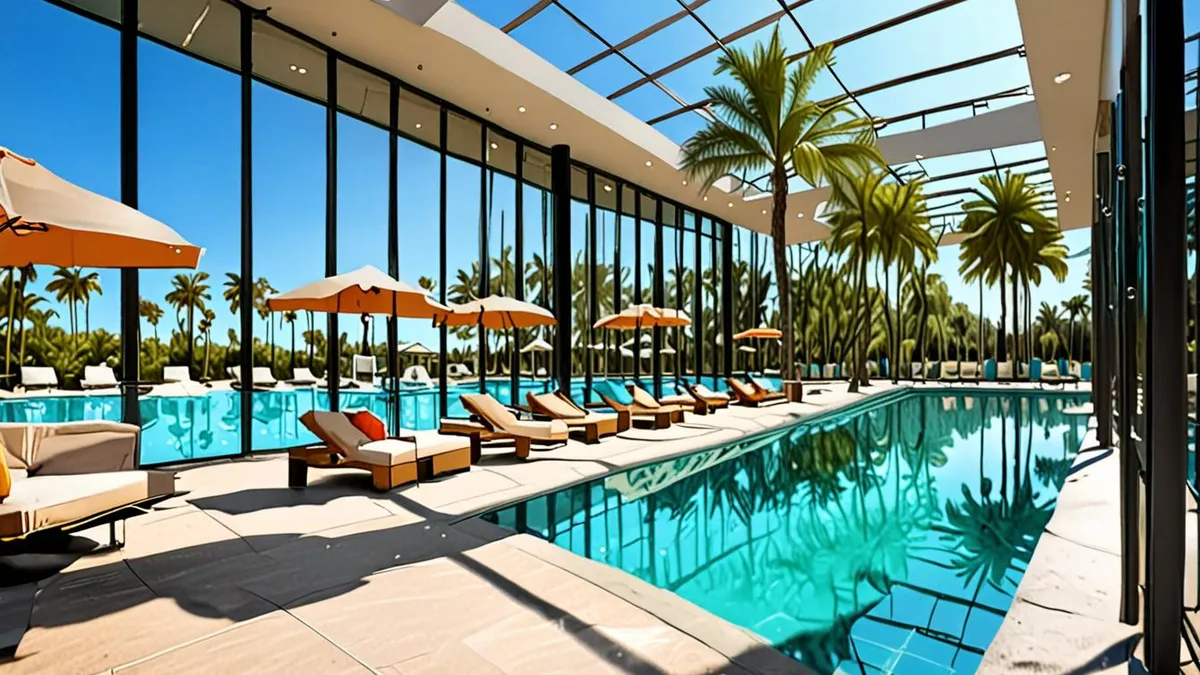
Resorts are self-contained destinations. A full-service property commonly offers 4-8 dining venues, multiple pools, a spa, organized activities and nightly entertainment, all on one site. Because they need room for all of that, resorts often sit 30-60 minutes from city centers. You are paying for a complete world on-site, so the distance from town is part of the design rather than a flaw.
Lodge vs Hotel vs Resort: Cost Comparison
On a nightly-rate basis, the three stay types rank fairly predictably. City hotels generally offer the lowest rates, all-inclusive resorts sit at the top, and lodges fall somewhere in between. But the nightly rate only tells part of the story, because what each type bundles into that rate differs enormously.
All-inclusive resorts commonly price 30-60% above comparable hotels per night, yet that figure covers meals, drinks and a schedule of activities. When you add up what you would have spent on three restaurant meals, cocktails and a couple of excursions elsewhere, the gap narrows fast. Lodges charge premium nightly rates too, but those rates typically include guided excursions, so you end up with fewer paid add-ons during the stay. Hotels bundle nothing, which keeps the sticker price low but leaves every meal and activity as a separate expense.
Timing matters as much as stay type. Shoulder-season discounts of 20-35% are common in April-May and October, and they apply most reliably to city hotels and lodges. Before comparing rates, look closely at what a higher-priced property actually includes, such as the premium waterfront pavilion with grand comfort style of property, where the setting and inclusions justify a bigger number.
- Check the dining count. Full-service resorts commonly offer 4-8 dining venues, while boutique hotels usually have just 1-2, so a resort’s food budget is largely prepaid while a hotel stay means eating out at city prices.
- Ask what “inclusive” covers. At lodges, guided excursions are typically bundled into the rate; at resorts, ask whether drinks, water sports and kids’ activities are included or charged separately, since practices vary widely by property.
- Compare total trip cost, not nightly cost. A cheaper hotel room plus paid meals, transfers and activities can end up costing more than a pricier resort or lodge rate that already covers most of it.
Space, Amenities and On-Site Experience
Space and amenities are where the three stay types feel most different once you are inside. Each one invests its square footage in a different way, and knowing which kind of space you actually want is a quick way to narrow the choice.
Lodge suites often exceed 600 sq ft, roughly double a typical hotel room, and they are designed to keep you connected to the landscape. Fireplaces, private decks and floor-to-ceiling windows are common, so the room itself becomes part of the nature experience rather than just a place to sleep. On-site amenities are modest by design: you trade a spa menu for the sound of the forest outside your deck.
Hotels maximize convenience within a compact footprint. Rooms typically run 250-400 sq ft, but the property concentrates its investment in services that matter to city travelers: fitness centers, business facilities and concierge services that help you make the most of a short stay. The city outside is effectively the hotel’s amenity floor.
Resorts concentrate everything on-site. Because guests often stay for days without leaving, a full-service resort commonly offers 4-8 dining venues alongside multiple pools, a spa, kids’ clubs and nightly entertainment. The property is built so that every hour of the day has an option without a transfer or a booking elsewhere.
- Outdoor living is a lodge signature. Private decks, fire pits and outdoor soaking tubs are common in lodge suites, extending your living space into the landscape in a way city hotels rarely can.
- Hotels cater to working travelers. Business centers, meeting rooms and reliable desks in-room reflect a guest profile that needs to work efficiently between city appointments.
- Resort kids’ clubs change the math for families. Supervised programs, shallow pools and evening shows mean children are entertained on-site, which is a practical amenity rather than a luxury extra for parents traveling with kids.
Which Stay Type Fits Each Trip Style
The stay type you choose should follow from what you actually plan to do each day. If your trip revolves around nature, wildlife or hiking, a lodge is usually the strongest fit. Guided excursions often start right at the doorstep, so you spend your mornings tracking animals or hitting trails instead of commuting to a trailhead. Evenings tend to revolve around the landscape itself: a deck, a fire, and quiet surroundings rather than entertainment schedules.
Short city breaks and business travel favor hotels for a simple reason: time. A well-placed hotel puts you within walking distance of attractions, meeting venues and transit, which matters when you only have two or three days. Boutique properties usually offer just 1-2 dining venues, which is rarely a drawback in a city full of restaurants steps from the front door.
Family holidays and honeymoons often get the most value from resorts. With 4-8 dining venues, kids’ clubs and nightly entertainment on site, a resort removes the daily logistics that make traveling with children or planning a honeymoon feel like work. The trade-off is remoteness: resorts are usually built well outside town, so they work best when you plan to stay put and let the property do the entertaining.
- Nature trips: many lodges include guided hikes or game drives in the nightly rate, and naturalists on staff can adjust routes to weather and wildlife movement the same day.
- City breaks: hotels near a metro or train station let you skip rental cars entirely, and concierge staff can often secure last-minute restaurant or theater bookings.
- Family trips: bundled kids’ programs mean parents get adult time, and multiple dining venues reduce the risk of picky-eater meltdowns at every meal.
- Honeymoons: resort spas and adults-only sections offer privacy that larger lodge common areas and compact hotel rooms often cannot match.
Location and Logistics to Weigh Before Booking
Location is where stay types differ most, and it shapes both your budget and your daily rhythm. Resorts are frequently the farthest from the action, often sitting well outside the city with real distance between you and restaurants, shops or the airport. That remoteness buys seclusion and space, but it also adds transfer costs and requires planning. If you book a remote resort, arrange airport transfers in advance and ask whether the property charges for them, since taxis over long distances can add up quickly. A free shuttle versus a paid private transfer can meaningfully change the total cost of your stay.
Urban hotels are the opposite. Their entire value comes from being walkable to restaurants, museums and nightlife, often within a few blocks. For a short stay, this can save hours of daily transit time, and it makes spontaneous plans easy: you can drop shopping bags in your room between stops or walk back after dinner without arranging a driver. Check a map before booking, though, because “city center” can mean different things in sprawling destinations.
Lodges and the access question
Lodges sit closest to parks and wilderness, which is exactly why access deserves scrutiny before you book. Some properties are reached by well-maintained roads; others involve gravel sections, steep grades or routes that become difficult after rain. Many parks and mountain regions also have seasonal closures that affect which entrances or roads are open when you visit.
Before booking a lodge, contact the property and ask two practical questions: what vehicle (if any) is recommended for the final stretch, and whether any roads or park gates near the property close during your travel dates. The answers can change your arrival plan, your rental car choice and sometimes even your dates.
Booking Strategy and Best Timing
Timing matters as much as the stay type itself. The same property can vary widely in price between peak and shoulder dates, and each category books on a slightly different rhythm. A safari lodge, a downtown hotel and a beachfront resort rarely follow the same booking calendar, so it pays to know which window applies to your choice before you start comparing rates. Use the steps below to plan.
- Book resorts 3-6 months ahead for high-season dates. Family suites, spa appointments and the best rooms fill first, especially for June-September travel in the Northern Hemisphere. Booking in this window also gives you time to confirm transfers and any dining reservations the resort requires.
- Target shoulder season for hotels and lodges. Rates in April-May and October can drop well below peak prices, often with pleasant weather and fewer crowds. If your dates are flexible, shifting a trip by a few weeks is usually the single biggest saving available, and it costs you nothing but calendar juggling.
- Inquire with lodges in seasonal destinations 4-6 months out. These properties release their best-rate inventory earliest, and the most desirable suites tend to go first. An early inquiry lets you hold or compare rates even if you are not ready to commit.
One more habit pays off regardless of category: check the cancellation terms before you pay, then set a reminder to re-check rates a few weeks before arrival. If prices have dropped, some properties will honor the lower rate or let you rebook. It also helps to book refundable rates when the price difference is small, since that flexibility is what makes re-checking worthwhile in the first place. And because rates and availability shift from year to year, confirm current prices directly with the property or your booking platform rather than relying on older listings.
The Bottom Line
So which one is right for you? If your trip is driven by scenery, wildlife or hiking, a lodge fits best. If you want city convenience and walkable access to restaurants and sights, pick a hotel. And if you’d rather have everything in one place, a resort delivers all-in-one leisure.
Cost comes down to what’s bundled. Resorts bundle meals and activities, lodges bundle excursions, and hotels bundle nothing, so compare what you’d actually pay for extras rather than just the nightly rate. Match the stay type to your trip style, then book around the season windows outlined above to get the best value. If this helped you decide, leave a comment or share the article with a fellow traveler.