Most of us have been there: the booking photos looked stunning, the lobby was gorgeous, and then you opened the door to your actual room and found a view of the ventilation shaft, a bed that creaked all night, or street noise that made sleep nearly impossible. Learning how to choose a hotel room properly takes a few extra minutes during booking — and it saves you from discovering problems after check-in, when it’s too late to do anything about them.
This guide walks you through the checks that matter most. You’ll learn why photos can mislead you, how to pick the right location and floor, what to look for in room size and layout, how to read reviews for real signals, when to book for the best rates, and which free requests are worth sending to the hotel. A final checklist ties it all together before you confirm.
Why Learning How to Choose a Hotel Room Matters
Here’s the uncomfortable truth about hotel photos: they show the best room in the property, not necessarily the category you’re booking. That sun-drenched suite with the panoramic balcony might be the penthouse, while the standard double you actually reserved faces an interior courtyard. Hotels photograph their strongest assets, and booking platforms rarely clarify which room type appears in each image.
The bigger issue is that a poor room choice shapes your entire trip. You spend more hours in your room than in any lobby, restaurant or pool — sleeping, resting after long days, recovering from travel. Thin walls, a lumpy bed or a view of a brick wall will affect your sleep and mood far more than marble floors in the reception area ever will.
The good news: most problems are predictable
Noise, cramped layouts, disappointing views — almost every common room complaint is predictable if you check the right details before booking. Floor level, room position, square footage and recent guest reviews all reveal what a photo never will. The rest of this guide shows you exactly which details to check, so you can book with realistic expectations instead of crossed fingers.
Check Location and Floor Before Booking
Start with the map view on the booking platform, not the distance the hotel claims in its description. A property listed as “500 m from the beach” might be a flat, pleasant five-minute stroll — or a 15-minute uphill walk in the heat. Zoom in and check what actually sits between the hotel and the places you care about: the old town, the transit stop, the restaurants you plan to visit. Pay attention to what is next door, too, not just what is far away. A hotel can be perfectly positioned for sightseeing and still sit beside a busy intersection or a late-night venue, which matters far more once you are trying to sleep.
Floor level matters just as much as location. Rooms on floors 4-8 hit a sweet spot: high enough to escape most street noise, but not so high that you’re waiting on elevators every time you step out. As a bonus, these floors often price 10-15% lower than top-floor or view categories, so you may save money simply by choosing wisely. If you have heavy luggage or mobility concerns, weigh that savings against the extra stairs or elevator rides you will make each day.
- Check what’s directly above and below. Rooms above bars, pools or rooftop restaurants can stay loud until midnight or later — scan the hotel’s own photos and recent guest photos for rooftop terraces and pool decks.
- Look for corner rooms. They have windows on two sides, which brings roughly 30-40% more natural light and often a better cross-breeze. Many platforms let you note this preference, and some hotels assign them on request.
- Identify which side faces the street. Map view plus street view imagery can tell you whether your likely room faces a quiet rear courtyard or a road with evening traffic.
Evaluate Room Size, Layout and Bed Options
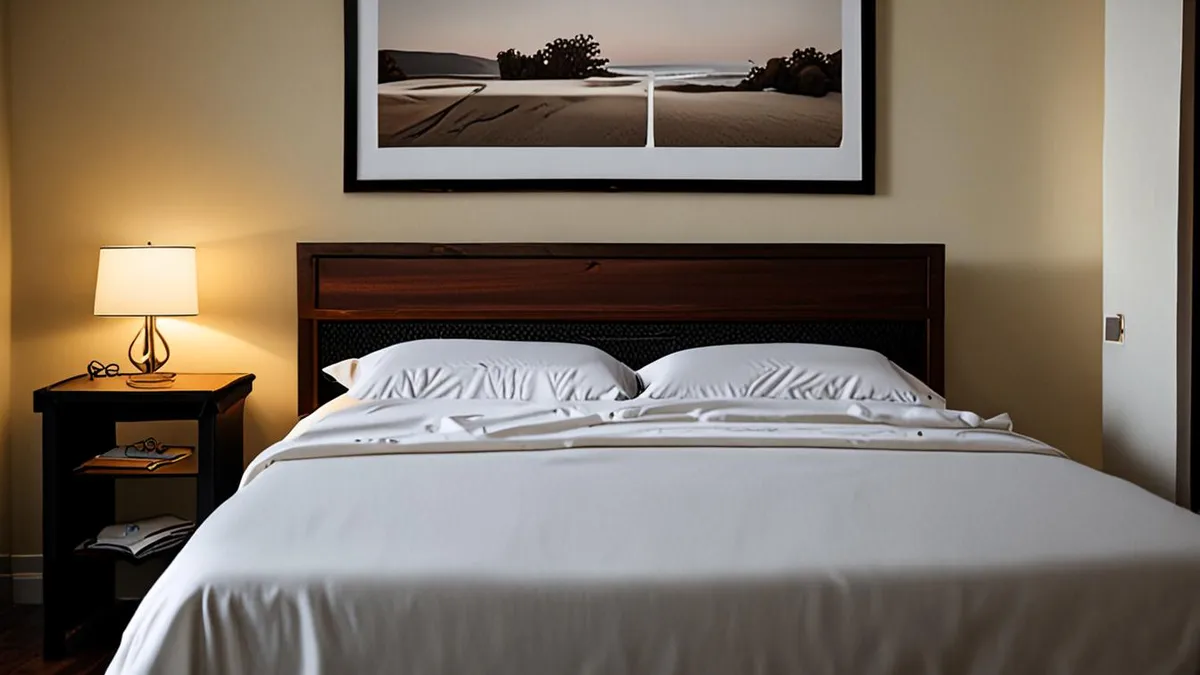
Room size is the detail travelers skip most often — and regret most often. Standard double rooms in most mid-range hotels average 25-30 m² (270-320 sq ft). Anything under 20 m² feels cramped for two people, especially once you add suitcases, a stroller or dive gear. The square footage is usually listed on the booking page; if it’s missing, ask the hotel directly. Keep in mind that square meters don’t tell the whole story either. A 28 m² room with an awkward layout — say, a large bathroom eating up a third of the floor plan — can feel smaller than a well-designed 24 m² one. If the listing includes a floor plan, study it before you commit.
Bed configuration deserves equal scrutiny. Some hotels advertise a “king bed” that is actually two singles pushed together — a common setup in parts of Europe. You’ll feel the gap at 2 a.m. Reviews often reveal this, so read what recent guests say about the beds specifically. Also check whether the mattress type, pillow options and bedding are mentioned; frequent business travelers often flag uncomfortable beds quickly, and those comments are usually reliable.
- Check for a real workspace. If you work on the road, confirm there’s an actual desk and chair, not a windowsill or a wobbly side table — photos of the desk area tell you quickly.
- Look for a luggage rack and storage. A rack keeps your suitcase off the bed and floor; built-in closets or shelves matter if you’re staying a week or more.
- Inspect the bathroom setup. If you travel with gear that needs rinsing or drying, a bathroom with a separate shower (rather than only a wet-room style setup) makes a real difference.
- Ask what “family room” actually means. It can describe a sofa bed in the same room or a genuine second bedroom — the difference determines whether anyone sleeps well. Email the hotel to confirm the exact configuration.
Read Reviews for Noise, Views and Cleanliness Signals
Reviews are the closest thing to a time machine for hotel booking. Long before you hand over your card details, dozens of guests have already slept in the exact room category you are considering — and many of them wrote down exactly what went wrong. The trick is knowing how to dig through those reviews efficiently instead of skimming the first few glowing ones.
Start with the search function on the booking platform or review site. Typing in a few pointed keywords will surface complaints that a general star rating completely buries. A hotel can average a solid score and still have a wing with thin walls or a view of a construction crane.
Then narrow your reading to the room type you actually plan to book. A rave review of the penthouse suite tells you nothing about the standard double on the second floor, and hotels often concentrate their best furnishings in the categories they use for marketing photos. Recency matters too: a cleaning problem from two years ago may be fixed, but a leaky shower mentioned last month is probably still leaking. Guest-uploaded photos are your final check — they show the real view from real windows, while official renders tend to stretch the ocean noticeably closer.
- Search for “construction” specifically if the hotel is in a developing area — guests often mention the site next door months before the hotel updates its listing.
- Look for the word “musty” or “smell” in reviews of older buildings, since odors rarely appear in official photos and are hard to fix quickly.
- Check whether the hotel replies to negative reviews and how — a property that offers specific fixes signals better maintenance than one that ignores complaints.
- Scan guest photos taken at night, which reveal whether corridors and rooms have harsh lighting or genuinely cozy ambience.
- Sort reviews by lowest score first; the pattern across several bad reviews is far more telling than any single angry one.
Compare Rates, Cancellation Terms and Booking Timing
The same room in the same hotel can vary widely in price depending on when and where you book it. For domestic trips, the sweet spot is usually 3-8 weeks ahead — early enough that availability is decent, late enough that rates have settled after the initial pricing wave. Peak season is different: for June-August beach destinations, book 2-4 months ahead, because the cheapest room categories sell out first and you end up paying more for a worse room.
Rate type matters as much as rate level. Refundable rates typically run 10-20% higher than non-refundable ones, and for uncertain plans that difference is usually cheap insurance. There is also a quiet pricing pattern most travelers miss: mid-floor rooms on levels 4-8 and standard non-view categories tend to cost less than top-floor or view rooms — while being, for many people, the more comfortable choice anyway. You give up a panorama you’ll barely use and gain money for a longer stay or a better dinner.
Finally, always compare the hotel’s own website rate with the booking platforms. Direct bookings sometimes include perks that platforms don’t, and the total price can come out lower even when the base rate looks identical.
- Check whether the direct rate includes breakfast — at many properties this alone offsets a small price gap with a platform.
- Read the cancellation deadline carefully, not just the “free cancellation” label; some rates only stay refundable until a week or 48 hours before arrival.
- Compare the total price including taxes and resort fees, since platforms and direct sites don’t always display them the same way.
- Watch for member rates on the hotel’s own site — joining a free loyalty program sometimes unlocks a lower price plus perks like late check-out.
- If your dates are flexible, shift them by a day or two in the calendar view; midweek nights in beach destinations often cost noticeably less than weekends.
Make Special Requests That Cost Nothing
Once your booking is confirmed, one short email to the hotel can shape your entire stay — and it costs absolutely nothing. Most properties do their best to honor reasonable requests, but they work on a first-come, first-served basis. Guests who write a week or more before arrival get first pick of the good rooms; guests who ask at the front desk get whatever is left.
Keep the message short, friendly and specific. Mention your booking reference, your arrival time, and one or two clear preferences. If you are a light sleeper, ask for a quiet rear-facing room away from the street. Families should request connecting or adjacent rooms — front desks can rarely fix this at check-in, since the rooms may already be assigned to someone else.
Bundle your timing requests into the same message. Ask for early check-in or late check-out in the same email, and note that success rates are highest on shoulder-season dates, when the hotel is not running near full occupancy. You won’t always get a confirmation upfront — many hotels reply with “subject to availability on arrival” — but your request will be noted on your reservation, which puts you ahead of everyone who never asked.
- Request a high floor away from elevators — rooms facing away from elevators are typically 5-10 dB quieter, a difference you will notice at night.
- Ask for a room away from the ice machine and housekeeping closet, both of which generate early-morning corridor noise on every floor.
- If you celebrate something during the stay — an anniversary or birthday — mention it; properties often add a small gesture or a better-positioned room.
- Include your approximate arrival time so the front desk can hold a room that matches your requests instead of releasing it to walk-ins.
- Politely reconfirm your requests by phone a day or two before arrival, when the room allocation is actually being planned.
Final Checklist Before You Confirm
Most travelers book on photos alone and only find out about the noise, the cramped layout or the disappointing view after check-in. The fix is simple: a good room choice comes from checking location, floor, size, reviews and rate terms — not from pictures alone. Ten minutes of research before you pay beats any amount of hoping at the front desk.
Timing matters too. Book 3-8 weeks ahead normally, and 2-4 months ahead for peak season beach trips. And once you have booked, remember that simple requests like a high floor away from elevators cost nothing and noticeably improve the stay. Check these boxes and you will walk into a room that matches what you actually paid for. Have a hotel tip or a booking story of your own? Share it in the comments below.