Picking the right month is the hardest part of planning a glamping trip. Unlike a hotel, where you can shut the door on bad weather, a glamping stay puts you right inside the season. The same tent that feels magical on a warm June night can be miserable during a rainy March cold snap, and prices swing just as much as the weather. Many travelers book a gorgeous site months ahead, then discover they chose the wettest or most crowded week of the year.
This guide breaks down the best seasons for glamping, month by month. We’ll look at why timing matters so much, then walk through spring, summer, fall and winter with practical tips on what to pack, which structures to book and when to reserve. You’ll also find booking advice for each season and a quick summary to help you choose your month at a glance. By the end, you’ll know exactly when to go and how to plan for it.
Why Timing Matters for Glamping Trips
Glamping comfort depends directly on the weather in a way that regular hotel travel doesn’t. You’re sleeping in canvas, thin-walled domes or lightweight structures, not behind a sealed window with climate control. A cold night that a hotel guest barely notices can leave a tent camper shivering, and a humid week can make canvas feel damp from morning to night.
Price is the second reason timing matters. The same site can vary 20-40% in price between peak and shoulder months, so a midweek stay in September might cost what you’d pay for a far smaller unit in July. If your dates are flexible, shifting your trip by a few weeks can be the difference between a splurge and a bargain.
Weather shapes the experience
Season choice also decides which activities are possible. Dry summer months are prime time for stargazing, swimming and long evenings outside, while fall brings foliage viewing and crisp hiking weather. Spring offers wildflowers and quiet trails but often more rain. Before you book, think about what you actually want to do on the trip, then pick the month that makes those activities realistic rather than hopeful.
Spring Glamping: March to May
Spring glamping runs from March to May, and it’s a season of two very different halves. March and April bring mild days, but nights can still drop below 10°C, which catches a lot of first-time glampers off guard. Canvas structures cool down fast after sunset, so pack insulated bedding, warm sleepwear and an extra blanket even if the daytime forecast looks friendly.
Dealing with spring rain
March is one of the rainiest months in many temperate destinations, so choose your structure carefully. Prioritize tents and cabins with solid floors rather than ground sheets, and look for covered decks or verandas where you can sit outside without getting soaked. A site with a communal lounge or indoor common area is also worth considering for wet afternoons.
Why May stands out
May is one of the best months of the entire year for glamping. Daytime temperatures hit the ideal 15-25°C range for comfortable tent living, evenings are mild enough for campfires, and you avoid the summer crowds that arrive in June. Many sites offer shoulder-season rates in May, so you often get better prices and wider availability than in peak summer. If you have a specific destination in mind, book a May stay and you’ll likely enjoy the best combination of weather, price and quiet trails of the whole spring season.
Summer Glamping: June to August
June through August is peak glamping season in most temperate regions, and for good reason. These are the warmest, driest months, with long daylight hours and full activity calendars at most sites: kayaking, guided hikes, outdoor movie nights, live music and swimming. If you want the classic glamping experience with everything running at full capacity, summer is when you get it.
Booking ahead is non-negotiable
Peak rates are at their highest during these months, and the best sites sell out 3-6 months ahead. The most sought-after units, like panoramic-view tents or premium domes, are usually the first to go. If you have your heart set on a specific site or a specific tent, book early rather than hoping for a late cancellation. Waiting until a few weeks before a July trip often means choosing between leftover units and unattractive dates.
Staying comfortable in the heat
July and August can bring genuine heat waves, and canvas traps warmth. When booking for midsummer, look for tents with mesh ventilation panels that let air flow through at night, or upgrade to a unit with air conditioning if the site offers one. A tent under tree shade or near water also stays noticeably cooler. Ask the host about airflow before you book, because a poorly ventilated tent in August can turn a dream trip into a sweaty, sleepless one.
Fall Glamping: September to November
If September is not already on your glamping radar, it should be. In most temperate regions, September delivers warm days and cool nights without the crowds or peak-season prices of summer, which means you can often book a larger tent or a better-positioned unit for the same budget. Days typically sit in that comfortable range where canvas walls feel pleasant rather than stuffy, while nights invite an extra blanket. Pack layers, and ask whether the site provides additional bedding before you go.
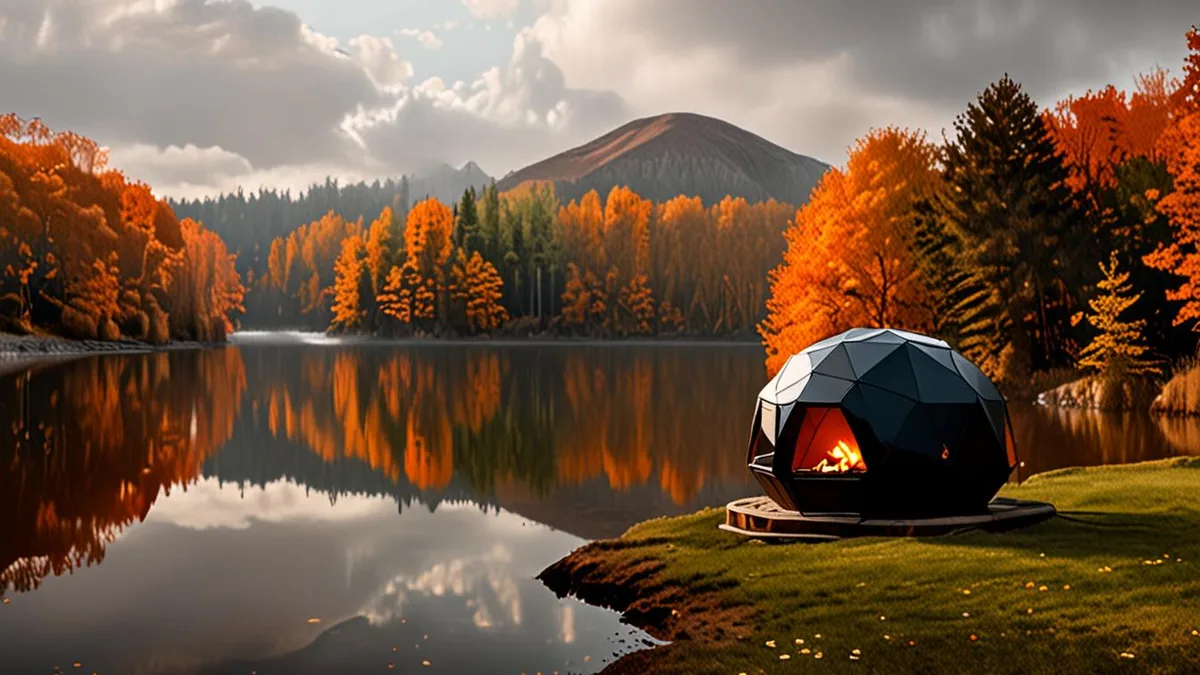
For many travelers, early to mid-October is the highlight of the fall calendar. This is when peak foliage arrives in northern destinations, and glamping puts you right inside the color instead of viewing it from a car window. Book a site with a large window wall, a clear view or a covered deck, and you can watch the leaves turn with your morning coffee. Keep in mind that foliage timing shifts from year to year and from region to region, so check local fall color reports before you lock in your dates. Rain gear is smart too, since autumn showers become more frequent the deeper you get into the season.
What to expect in November
November is the transition month, and it is a different experience entirely. In most regions it turns wet and cold, and many seasonal glamping sites either close or switch over to winter-ready structures only. If you want to travel in November, look specifically for insulated domes or heated cabins rather than standard canvas tents, and confirm what is still open before you book. Done right, a cozy heated unit with rain tapping on the canvas can be wonderful. Done wrong, it can be a cold, damp disappointment.
Winter Glamping: December to February
Winter glamping is a niche for a reason, but for the right traveler it is the best value of the year. The key rule is simple: only book structures that are genuinely built for cold weather. That means insulated domes, heated cabins or other units rated for sub-zero temperatures. A standard summer tent with a space heater dropped inside is not winter glamping, and it is not safe or comfortable either.
The rewards are real. Winter typically offers the lowest prices of the year at sites that stay open, and the skies are at their clearest for stargazing. Cold air holds less moisture, so on a clear night you can often see far more stars than in summer. Pair that with a wood stove, a hot drink and a snow-covered landscape, and you have a trip that feels completely different from any other season.
Questions to ask before you book
Winter sites vary enormously in what they actually provide, so confirm the essentials in writing before paying a deposit. Some sites close entirely during the coldest months, and a few only run a limited number of winter-ready units.
- Ask exactly how the unit is heated, whether heating runs overnight and whether you need to stoke a wood stove yourself.
- Confirm there is reliable hot water in winter, since some sites reduce services or shut off certain facilities in the cold months.
- Check snow access: find out whether the road to the site is plowed, whether you need a four-wheel-drive vehicle or snow chains, and whether you park at the tent or walk in.
Once those three boxes are ticked, winter glamping can be the most memorable trip of your year at a fraction of peak-season cost.
How to Book for Each Season
Booking glamping well is mostly about matching your lead time to the season. For the busiest summer months, start looking early: the most sought-after units, the ones with the best views, the biggest decks or the most privacy, are the first to go, and in popular regions they are often gone long before the weather warms up. If you have your heart set on a specific site or a premium tent, treat it like a reservation at a top restaurant and plan well ahead.
Shoulder-season trips are far more forgiving. Stays in May and September usually only need 4-8 weeks of lead time, which makes them perfect for spontaneous getaways. Prices tend to be gentler too, so waiting a little can actually work in your favor if your dates are flexible.
Smart booking tactics
Beyond timing, a few habits will consistently get you better units and better prices:
- Target midweek dates: Tuesday through Thursday stays are the easiest way to cut costs, and availability outside the peak summer window is often wide open compared to weekends.
- Read the unit descriptions carefully rather than just the photos, since sites within one property can differ in bedding, heating, bathroom access and distance to shared facilities.
- Check the cancellation policy before booking, especially for early reservations, so a change in weather or plans does not cost you the full amount.
- Sign up for newsletters or follow your favorite sites on social media, as last-minute cancellations and off-season promotions are often announced there first.
With a little planning, the difference between a mediocre glamping trip and a great one usually comes down to booking the right unit at the right time.
Choosing Your Month at a Glance
Picking the right month comes down to what you value most. If you want the best overall balance of pleasant weather, reasonable prices and good availability, May and September are hard to beat. Both sit in the shoulder season, so you get comfortable conditions without peak-season crowds or peak-season rates.
Travelers who want warm water for swimming, long daylight hours and a full calendar of on-site activities should aim for June through August, keeping in mind that the best units sell out months ahead. Budget travelers and stargazers, on the other hand, get the most reward from winter months, when prices are lowest and skies are clearest, as long as they book heated domes or cabins rated for cold. Whichever month you choose, planning around the season rather than hoping for the best is what turns a good glamping trip into a great one. Have a favorite month for glamping? Share it in the comments or pass this guide along to a friend.